What is eBPF?
Extended Berkeley Packet Filter (eBPF) isn’t an agent or a kernel module. So, what is it and how does it work? Why is it driving a new generation of observability, networking, and security technologies? We’re breaking down everything you need to know about eBPF and how it runs programs safely inside the Linux kernel.

What is eBPF?
eBPF (Extended Berkeley Packet Filter) is a powerful, versatile technology that allows users to run programs directly in the Linux kernel with strong performance, portability, flexibility, and security guarantees. This has enabled a new generation of transformative and highly performant networking, observability, and security solutions.
Historically, operating systems have been the ideal place for security, networking, and observability functions, but kernel evolution has been slow due to stability and security concerns. eBPF has evolved the tech marketby allowing developers to extend kernel capabilities without modifying source code or loading external modules, ensuring safety and efficiency.
For a deeper dive into eBPF, visit ebpf.io.
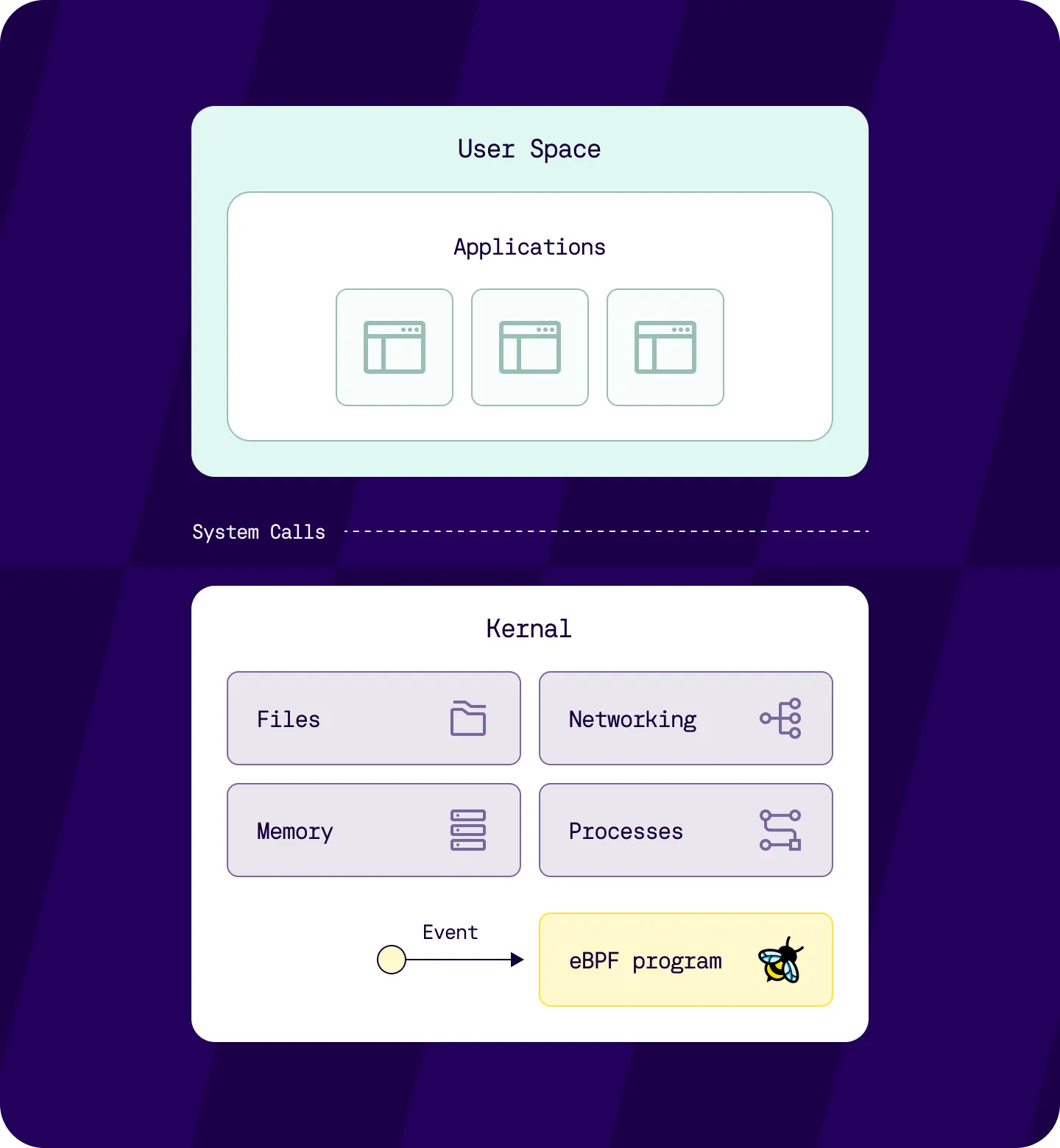
Why does eBPF Matter?
eBPF is widely used for securing containerized environments, but it also gives organizations the ability to:
Enhance observability:
Extract granular security and performance data with minimal system overhead.
Improve networking:
Optimize performance and load balancing in cloud-native environments.
Strengthen security:
Implement runtime security enforcement without intrusive system modifications.
eBPF in Application Security: Why It’s a Game Changer
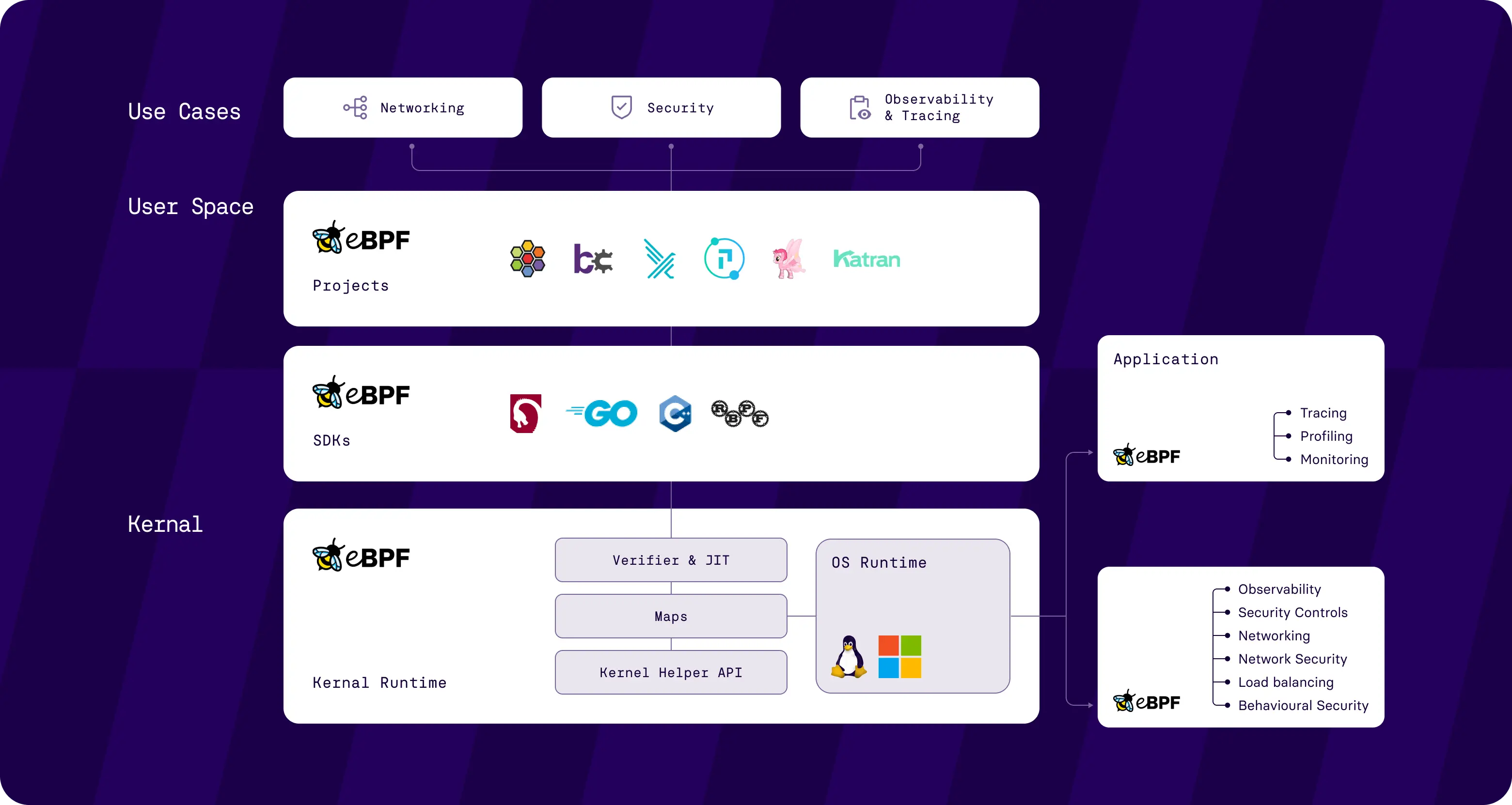
Key benefits for security teams and developers:
Runtime security has traditionally relied on heavy agents that required significant configuration and system resources. eBPF disrupts this model by providing a lightweight, efficient, and highly adaptable approach to security enforcement at the kernel level.
With eBPF, security teams can shift from reactive threat detection to proactive defense, enabling real-time insights and automated security without the hassle of legacy security agents.
Deep Observability
Performance tracing of any aspect of a system. Specifically to AppSec, we can monitor syscalls, file access, and network activity (including APIs).
Exploitation Prevention
eBPF can intercept and block exploitation attempts.
Agentless Security
No need for intrusive kernel modules or complex integrations.
Low Overhead
Runs efficiently in the background without impacting system performance.
Real-Time Threat Detection
Provides continuous monitoring and enforcement against exploits.
Simplified Deployment
Easily integrates with existing infrastructure for seamless security implementation.
Why RoonCyber.AI Leverages eBPF
At RoonCyber.AI, we recognized the inefficiencies of traditional runtime security solutions—bulky agents, performance degradation, and complex deployments. That’s why we built our platform on eBPF to redefine how application security is implemented.


Always-Active Security
Security runs in the background without disrupting developer workflows.

Future-Proofed Security
As eBPF evolves, our solution evolves with it, keeping your defenses ahead of emerging threats.

Zero Friction Deployment
Easily installed without modifying application code or underlying infrastructure.
By leveraging eBPF, we’ve eliminated the barriers that made runtime security painful—empowering security teams and developers to focus on innovation, not maintenance.
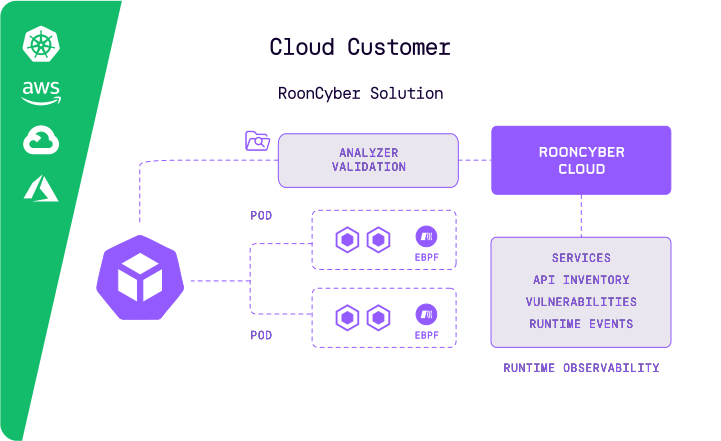
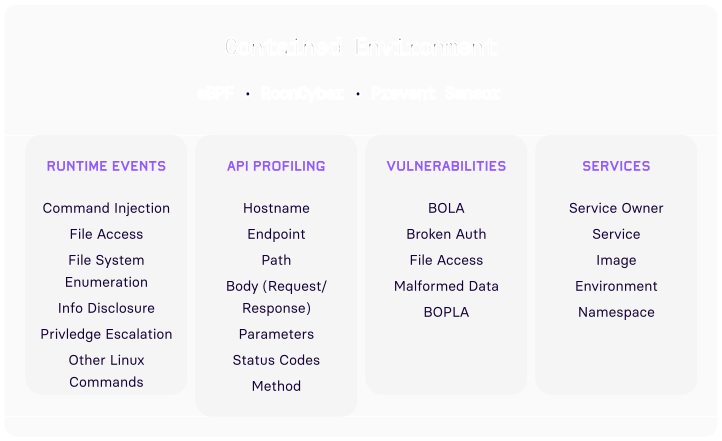
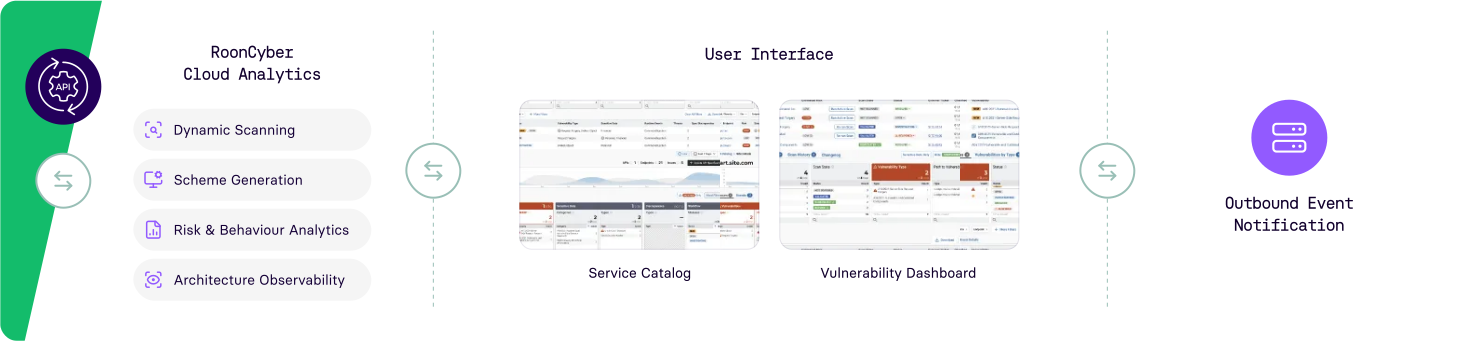
RC Prevent Architecture
Related Resources


We’re ready for you! Schedule a demo